
Trader Joe’s Biscuits: A Comprehensive Cooking Guide
Trader Joe’s biscuits offer convenient baking, with recipes directly on the box for effortless enjoyment; these mixes simplify creating delightful treats,
especially during seasonal festivities and cozy winter moments․

Trader Joe’s biscuits have become a pantry staple for many home cooks, celebrated for their convenience and consistently satisfying results․ These aren’t just any biscuits; they represent a quick path to warm, comforting goodness, whether you’re a seasoned baker or a kitchen novice․ The appeal lies in the simplicity – a box mix that transforms into flaky, golden biscuits with minimal effort․
From classic buttermilk biscuits to seasonal variations, Trader Joe’s offers a diverse selection to suit every palate․ The ease of use is a significant draw, with clear instructions printed directly on the packaging, making them ideal for busy weeknights or spontaneous baking adventures․ Beyond the basic recipe, these biscuits serve as a versatile base for countless culinary creations, from savory pot pies to sweet breakfast treats․ They truly embody accessible baking, bringing joy to kitchens across the nation․
Types of Trader Joe’s Biscuits Available
Trader Joe’s consistently expands its biscuit offerings, catering to diverse tastes and seasonal cravings․ The classic Buttermilk Biscuits remain a perennial favorite, providing a foundation for countless meals․ Beyond the standard, shoppers can discover exciting variations like Cheesy Herby Biscuits, conveniently frozen for easy preparation – simply bake and enjoy! These pre-made options streamline mealtime without sacrificing flavor․
Seasonal selections add a touch of festivity, with unique biscuit types appearing throughout the year․ Winter often brings spiced or cranberry-infused biscuits, while fall might feature pumpkin or maple varieties․ These limited-edition flavors encourage culinary exploration․ Furthermore, Trader Joe’s sometimes introduces unexpected twists, keeping the biscuit aisle fresh and exciting for loyal customers․ The range ensures there’s a biscuit for every occasion․
Understanding the Biscuit Mix Ingredients
Trader Joe’s biscuit mixes are thoughtfully formulated for convenience and quality․ Typically, the base includes enriched bleached flour, providing structure, alongside leavening agents like baking powder and baking soda, crucial for achieving a light and fluffy texture․ Sugar adds a subtle sweetness, while salt enhances the overall flavor profile․
Fat sources, often vegetable shortening or a blend of fats, contribute to tenderness and flakiness․ The inclusion of buttermilk solids or similar dairy components imparts a characteristic tang and moisture․ Depending on the variety, additional ingredients like cheese, herbs, or spices are incorporated to create distinct flavor combinations․ Understanding these core components allows bakers to appreciate the mix’s balance and potential for customization․
Basic Cooking Instructions: From Box to Oven
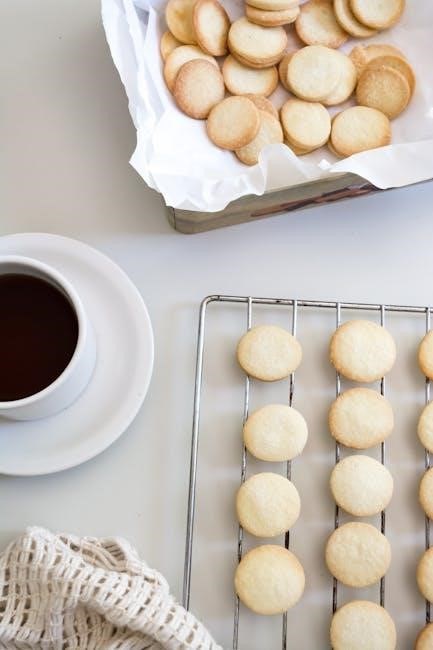
Trader Joe’s biscuit preparation is remarkably simple, beginning with preheating your oven to 350°F and following the clear instructions provided directly on the packaging․
Preheating the Oven: Temperature and Time

Achieving perfectly baked Trader Joe’s biscuits begins with precise oven preheating․ The standard recommendation, consistently highlighted in available resources and directly on the product packaging, is to preheat your oven to 350°F (175°C)․ This moderate temperature ensures even cooking, promoting a golden-brown exterior and a fluffy interior texture․
The preheating duration is equally crucial; allow approximately 10-15 minutes for the oven to reach the desired temperature․ Utilizing an oven thermometer is highly recommended to verify accuracy, as oven calibrations can vary․ Consistent temperature is vital for optimal biscuit rise and overall baking success․ Placing the biscuits on a parchment-lined baking sheet, spaced about an inch apart, further contributes to uniform baking․ Remember, a well-preheated oven is the foundation for delightful, homemade-style biscuits from Trader Joe’s․
Mixing the Biscuit Dough: Following the Box Recipe
The beauty of Trader Joe’s biscuit mixes lies in their simplicity; adhering closely to the box recipe is key to consistent results․ Typically, the standard recipe calls for combining 2 cups of the biscuit mix with ¾ cup of liquid – often buttermilk, but milk can be substituted․ Gently stir these ingredients together using a fork or spatula, avoiding vigorous mixing․
The goal is to just combine the ingredients until barely moistened; a few lumps are perfectly acceptable, and even desirable․ Overmixing develops the gluten, leading to tough biscuits․ The box instructions are a reliable guide, offering a straightforward approach to biscuit creation․ Resist the urge to add extra liquid, as this can alter the dough’s consistency and affect the final texture․ Following the recipe precisely ensures light, fluffy biscuits every time․
Preparing the Baking Sheet: Parchment Paper or Greasing
Proper baking sheet preparation is crucial for preventing sticking and ensuring even browning of your Trader Joe’s biscuits․ You have two excellent options: lining the sheet with parchment paper or lightly greasing it․ Parchment paper provides a non-stick surface and simplifies cleanup, preventing any biscuit remnants from adhering to the metal․
If opting to grease, use butter, shortening, or cooking spray, applying a thin, even layer across the entire surface․ Avoid using too much grease, as this can cause the biscuits to spread excessively․ Placing the biscuits about one inch apart on the prepared sheet allows for proper expansion during baking․ A well-prepared baking sheet guarantees easy removal and beautifully formed biscuits․

Variations on the Basic Recipe
Elevate Trader Joe’s biscuits with cheese, herbs, or sweet glazes! Experimenting with additions transforms the simple mix into customized, flavorful creations for any palate․
Adding Cheese to the Biscuit Dough
Incorporating cheese into Trader Joe’s biscuit dough is a remarkably simple way to elevate the flavor profile, creating a savory and satisfying treat․ Shredded cheddar, Monterey Jack, or even a sprinkle of Parmesan work wonderfully, adding a delightful tang and richness to each bite․
To achieve optimal cheese distribution, gently fold approximately ¾ to 1 cup of shredded cheese into the dough after it has been mixed according to the box instructions․ Avoid overmixing, as this can develop the gluten and result in tougher biscuits․ For an extra burst of cheesy goodness, consider sprinkling additional cheese on top of the biscuits before baking․ The frozen Cheesy Herby Biscuits from Trader Joe’s demonstrate this concept beautifully, offering a convenient pre-made option, but creating your own allows for personalized cheese blends and flavor combinations․
Experiment with different cheese varieties to discover your perfect cheesy biscuit!
Incorporating Herbs and Spices
Elevate your Trader Joe’s biscuits with a delightful infusion of herbs and spices, transforming a simple bake into a flavorful experience․ Dried herbs like rosemary, thyme, or chives pair exceptionally well, lending an aromatic quality to the biscuits․ A dash of garlic powder, onion powder, or even a pinch of cayenne pepper can add a savory kick․
To incorporate these flavor enhancers, gently fold approximately 1-2 teaspoons of dried herbs or ½ ⏤ 1 teaspoon of spices into the biscuit dough after the initial mixing, being careful not to overwork the dough․ The Cheesy Herby Biscuits from Trader Joe’s exemplify this technique, showcasing a pre-made blend․ Consider experimenting with Everything Bagel seasoning for a unique and savory twist․ Remember, a little goes a long way – start with smaller amounts and adjust to your preference․
Fresh herbs can also be used, finely chopped and added similarly․
Sweet Biscuit Variations: Glazes and Toppings
Transform Trader Joe’s biscuits into delectable sweet treats with simple glazes and toppings! A classic powdered sugar glaze, made with powdered sugar and a touch of milk or lemon juice, provides a delicate sweetness․ For a richer flavor, consider a maple glaze or a simple vanilla icing․
Beyond glazes, explore various toppings․ A sprinkle of cinnamon sugar before baking adds warmth and texture․ Drizzle with melted chocolate or caramel after baking for an indulgent touch․ Fresh berries, fruit preserves, or a dollop of whipped cream elevate the biscuits further․ Seasonal options like pumpkin spice or gingerbread seasoning can create festive treats․
Experiment with streusel toppings – a crumbly mixture of flour, butter, and sugar – for added crunch and sweetness․ These additions turn ordinary biscuits into extraordinary desserts!

Advanced Cooking Techniques
Achieving flaky biscuits requires cold ingredients and avoiding overmixing the dough; gentle handling is key, alongside proper cutting techniques for optimal texture․
Creating Flaky Biscuits: Cold Ingredients are Key
The secret to truly exceptional, flaky Trader Joe’s biscuits lies in maintaining incredibly cold ingredients throughout the entire process․ This isn’t merely a suggestion, but a fundamental principle of biscuit baking․ Cold butter, when incorporated into the flour, remains in small, solid pieces․ As the biscuits bake, these butter pieces melt, creating steam that separates the layers of dough, resulting in that desirable flaky texture․
Ensure your butter is very cold – even freezing it briefly before grating or cutting it in can be beneficial․ Similarly, use ice-cold liquid, whether it’s buttermilk, milk, or water․ Avoid warming the ingredients through excessive handling․ Work quickly and efficiently to prevent the butter from softening․ Even the flour benefits from a short chill in the refrigerator before use․ Remember, cold equals flaky, and flaky equals biscuit perfection!
The Importance of Not Overmixing the Dough
Overmixing the Trader Joe’s biscuit dough is a common pitfall that leads to tough, dense biscuits, completely defeating the purpose of striving for a light and flaky texture․ When you overmix, you develop the gluten in the flour excessively․ Gluten provides structure, but too much gluten results in a biscuit that’s chewy rather than tender․
Mix the ingredients just until they come together․ It’s perfectly acceptable – and even desirable – to have some streaks of flour remaining․ These will disappear during baking․ Resist the urge to knead or work the dough extensively․ A gentle hand is crucial․ Remember, a slightly shaggy dough is far preferable to a smooth, elastic one․ Embrace imperfection; it’s the key to biscuit bliss!
Cutting the Biscuits: Tools and Techniques
Achieving uniformly shaped biscuits is vital for even baking, and several tools can assist in this process․ A sharp biscuit cutter is the traditional choice, ensuring clean cuts that don’t compress the dough․ However, a knife or even a pizza cutter can work in a pinch, though they may not create perfectly round biscuits․
When cutting, press straight down without twisting the cutter․ Twisting seals the edges, hindering rise․ Place the biscuits close together on the baking sheet for softer sides, or further apart for crispier edges․ Re-rolling scraps is discouraged, as it develops gluten and results in tougher biscuits․ Instead, embrace the irregular shapes – they bake just as deliciously!

Serving Suggestions & Recipes
Enjoy Trader Joe’s biscuits with chicken pot pie, gravy, or savory sandwiches; their versatility shines in both sweet and savory culinary creations, offering endless possibilities․
Biscuit Chicken Pot Pie Recipe
This comforting Trader Joe’s biscuit chicken pot pie recipe is a delightful way to utilize the biscuit mix! Begin by sautéing your preferred vegetables in a skillet – carrots, peas, and celery work wonderfully․ Add pre-cooked chicken, then stir in a creamy broccoli cheddar soup for a rich base․
Pour the chicken and vegetable mixture into a baking dish․ Next, arrange the prepared Trader Joe’s biscuits evenly over the top of the filling, creating a biscuit crust․ Bake according to the biscuit package directions, typically around 15-20 minutes, or until the biscuits are golden brown and the filling is bubbly․
This recipe offers a quick and easy alternative to traditional pot pie, perfect for a weeknight meal․ Feel free to customize the vegetables and soup to your liking, making it a truly personalized dish!
Biscuits with Gravy: A Classic Combination
Enjoy a timeless pairing with Trader Joe’s biscuits and gravy – a truly comforting and satisfying meal! Begin by baking the biscuits according to the package instructions, ensuring they are warm and fluffy․ While the biscuits bake, prepare your favorite gravy․ Sausage gravy is a classic choice, but you can also opt for pepper gravy or mushroom gravy․
Once the biscuits are golden brown and the gravy is smooth and creamy, it’s time to assemble․ Split the warm biscuits open and generously ladle the gravy over the top․ The combination of the flaky biscuit and rich gravy is simply irresistible!
This is a perfect breakfast, brunch, or even dinner option․ It’s a simple yet incredibly flavorful meal that’s sure to please everyone․
Savory Biscuit Sandwiches
Trader Joe’s biscuits lend themselves beautifully to savory sandwich creations, offering a delightful alternative to traditional bread․ Start by baking the biscuits until golden and slightly crisp․ While they cool slightly, prepare your desired fillings․ Consider classic combinations like fried chicken and honey mustard, or explore more adventurous options․
Ham and cheese, with a smear of Dijon mustard, is a simple yet satisfying choice․ For a heartier sandwich, try sliced turkey, cranberry sauce, and a touch of mayonnaise․ Split the biscuits horizontally and layer with your chosen ingredients․
These sandwiches are perfect for a quick lunch, picnic, or even a light dinner․ The flaky texture of the biscuit adds a unique and delicious element to any savory filling․
Troubleshooting Common Issues
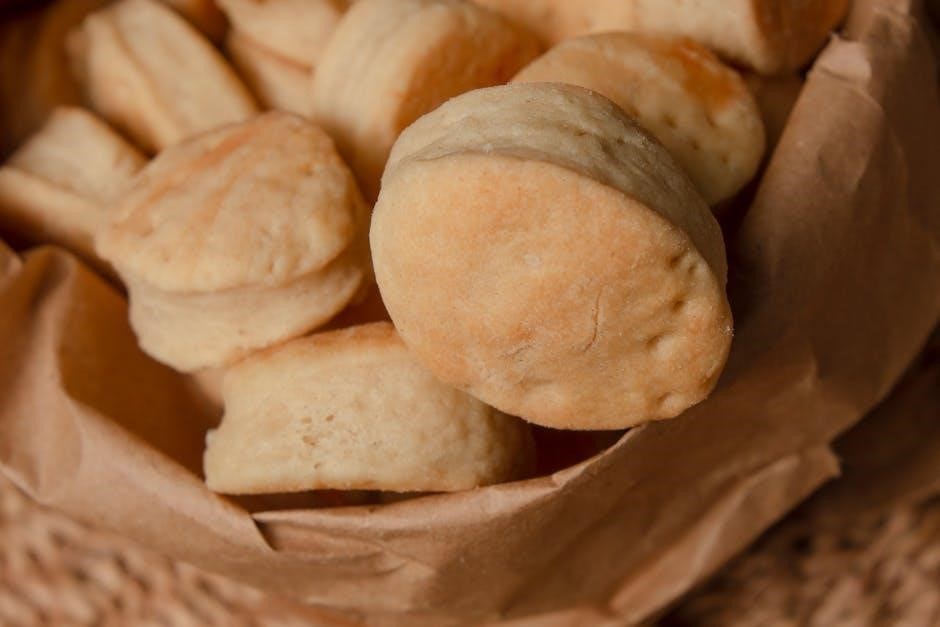
If biscuits don’t rise, ensure fresh baking powder; dry or tough biscuits indicate overmixing․ Uneven baking suggests oven temperature inconsistencies or improper placement․
Biscuits Not Rising Properly
A common frustration when baking Trader Joe’s biscuits is encountering a lack of rise, resulting in dense, flat biscuits instead of light and fluffy ones․ Several factors can contribute to this issue, and thankfully, most have simple solutions․ The most frequent culprit is often the age of the baking powder within the biscuit mix․ Baking powder loses its potency over time, so ensuring your mix is relatively fresh is crucial․
Another potential cause is improper mixing․ While you don’t want to overmix (addressed in a separate section), insufficient mixing can also prevent proper gluten development and activation of the baking powder․ Finally, oven temperature plays a vital role․ If the oven isn’t preheated to the correct temperature, or if there are fluctuations during baking, the biscuits may not rise adequately․ Always double-check your oven’s calibration and avoid opening the door frequently during the baking process․
Biscuits Too Dry or Tough
If your Trader Joe’s biscuits turn out dry or tough, the issue likely stems from overmixing the dough or overbaking․ Overmixing develops too much gluten, leading to a dense, chewy texture rather than a tender crumb․ Remember to mix only until the ingredients are just combined․ Another key factor is the amount of liquid used; strictly adhere to the measurements provided on the box․
Overbaking is equally problematic, as it draws out moisture, resulting in a dry biscuit․ Carefully monitor the baking time and check for doneness a few minutes before the recommended time․ A golden-brown color and a slightly firm texture indicate readiness․ Finally, ensure you’re using the correct oven temperature; a temperature that’s too high can accelerate the drying process․
Unevenly Baked Biscuits
Experiencing unevenly baked Trader Joe’s biscuits often points to inconsistencies in oven temperature or improper baking sheet preparation․ Ensure your oven is accurately calibrated; an oven thermometer is a worthwhile investment․ Rotating the baking sheet halfway through the baking time can also promote even cooking, exposing all sides to consistent heat․
Furthermore, the placement of the baking sheet within the oven matters․ Avoid placing it too close to the heating element․ Using parchment paper or properly greasing the baking sheet prevents sticking and encourages uniform browning․ Finally, ensure biscuits are spaced adequately apart – overcrowding restricts airflow and can lead to uneven cooking․ Consistent biscuit size also contributes to even baking․
Storage and Freezing
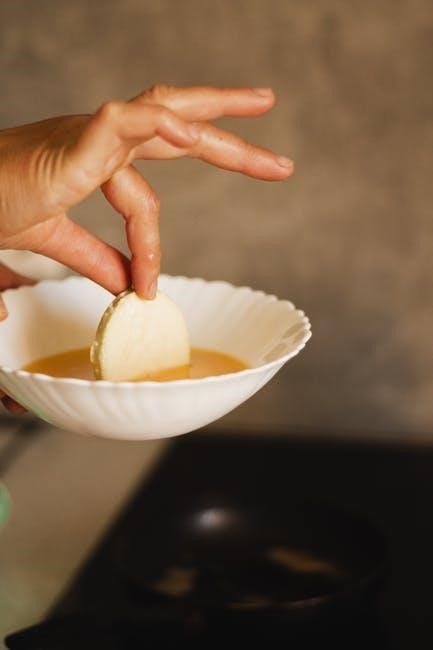
Leftover biscuits are best stored in airtight containers, while unbaked dough freezes well for future use, offering convenient baking options later on․
Storing Leftover Biscuits
Proper storage is crucial for maintaining the quality of your freshly baked Trader Joe’s biscuits․ To keep them at their best, allow the biscuits to cool completely on a wire rack before transferring them to an airtight container․ This prevents condensation buildup, which can lead to sogginess․
Airtight containers, such as resealable plastic bags or rigid containers with tight-fitting lids, are ideal for preserving freshness․ Stored at room temperature, biscuits will generally remain palatable for up to two to three days․ For longer storage, consider freezing․
If you notice any signs of mold or a change in texture or smell, discard the biscuits immediately; Maintaining a cool, dry environment will significantly extend their shelf life and ensure a delightful experience with every bite․
Freezing Unbaked Biscuit Dough
For future baking convenience, Trader Joe’s biscuit dough freezes remarkably well․ After mixing the dough according to package directions, portion it into individual biscuits or form a log․ Wrap tightly in plastic wrap, ensuring no air pockets remain, then place inside a freezer-safe bag or container․
Properly frozen, unbaked biscuit dough can maintain quality for up to two to three months․ When ready to bake, you can cook the biscuits directly from frozen – simply add a few extra minutes to the baking time․ Avoid thawing the dough beforehand, as this can alter the texture․
Label the package with the date to keep track of freshness․ This method allows for spontaneous biscuit enjoyment whenever the craving strikes, minimizing waste and maximizing convenience․
Freezing Baked Biscuits for Later Use
To preserve the delightful taste of Trader Joe’s biscuits, freezing baked biscuits is a fantastic option․ Allow the biscuits to cool completely on a wire rack before freezing․ Once cooled, wrap each biscuit individually in plastic wrap, ensuring a tight seal to prevent freezer burn․
Place the wrapped biscuits into a freezer-safe bag or airtight container․ Properly frozen, baked biscuits can retain their quality for up to one to two months․ When reheating, you can thaw them at room temperature or directly in the oven at a low temperature (around 300°F) for a few minutes․
A quick zap in the microwave also works, but may slightly alter the texture․ Labeling with the date helps maintain freshness and ensures optimal enjoyment when you’re ready for a biscuit treat․

Trader Joe’s Seasonal Biscuit Offerings
Trader Joe’s frequently introduces limited-edition biscuit varieties, particularly during winter and fall, offering festive flavors and unique options for seasonal enjoyment․
Winter Seasonal Biscuits
Trader Joe’s truly shines during winter, unveiling biscuit options perfect for cozy gatherings and festive meals․ Expect limited-time offerings like the Cheesy Herby Biscuits, conveniently frozen for easy preparation – simply bake and enjoy! These biscuits are a fantastic addition to winter pot pies or served alongside hearty soups․
The seasonal selections often lean towards comforting flavors, complementing the colder months․ Keep an eye out for variations incorporating seasonal spices or cheeses․ These biscuits are designed for simplicity, making them ideal for both experienced bakers and those seeking a quick, delicious treat․ They represent a delightful way to embrace the warmth and joy of the winter season, directly from Trader Joe’s․
Fall Seasonal Biscuits
Trader Joe’s fall biscuit offerings often capture the essence of the season with warm, inviting flavors․ While specific varieties change yearly, anticipate biscuits that complement autumnal dishes and cozy evenings․ Expect potential additions of pumpkin spice, maple, or apple cinnamon – flavors synonymous with fall․
These seasonal biscuits are incredibly versatile, pairing wonderfully with soups, stews, or as a side to roasted meats․ The convenience of the mix allows for quick preparation, perfect for busy weeknights or festive gatherings․ Keep an eye out for limited-edition packaging and unique flavor combinations that embody the spirit of autumn․ Trader Joe’s consistently delivers delightful seasonal options, making fall baking a breeze․
Spring and Summer Biscuit Options
Trader Joe’s spring and summer biscuit selections typically lean towards lighter, brighter flavors, reflecting the season’s bounty․ While not as prominently featured as fall or winter varieties, expect potential offerings incorporating citrus zest, berry compotes, or even savory herb blends․ These biscuits are ideal for picnics, brunches, or accompanying fresh summer salads․
Look for limited-edition flavors that complement seasonal produce, such as strawberry shortcake biscuits or lemon-poppyseed variations․ The ease of the biscuit mix makes them a convenient choice for outdoor entertaining or quick weekday treats․ Trader Joe’s often introduces unexpected flavor combinations, so be sure to check the bakery section for delightful surprises during warmer months․
Be First to Comment