
Crafting an aerial photography resume demands clarity, precision, and visual impact; Highlighting flight hours, camera specs, and project outcomes showcases expertise. Use concise bullet points, quantify achievements, and link to a portfolio for instant credibility. Tailor sections to each role now.!
The Growing Demand for Drone Professionals
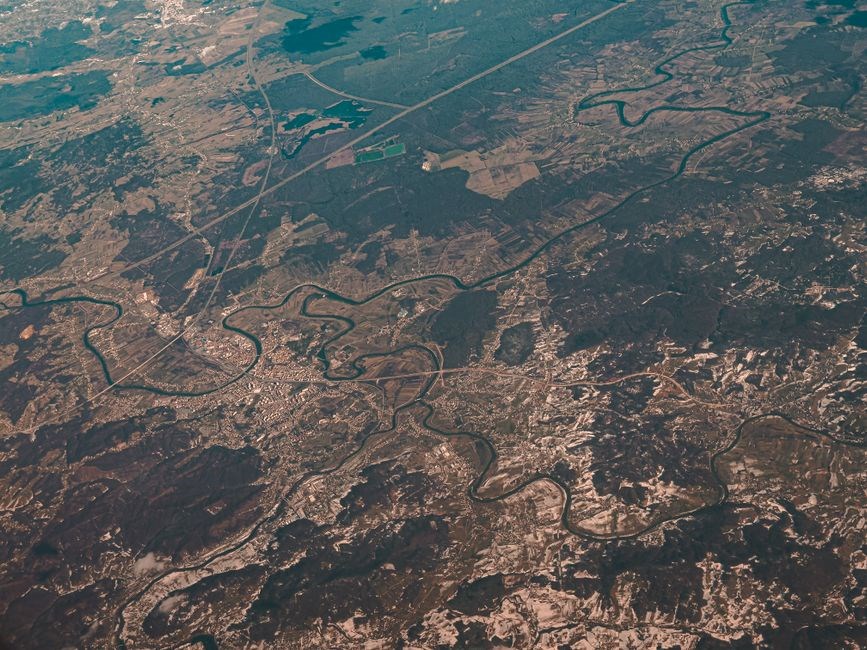
Industries spanning film, agriculture, construction, and environmental monitoring rely on high‑resolution aerial imagery.
Employers seek candidates who combine piloting skill, and the market for drone operators has expanded by over 30% annually and the demand!!
A well‑structured PDF resume showcases flight hours, camera models, and successful project outcomes for mapping surveying.
Templates featuring layouts embedded portfolio links help recruiters assess technical proficiency for hiring!!!
Sample resumes in PDF format demonstrate how to present certifications, software knowledge, and measurable results concisely for clients stakeholders!!
As regulatory frameworks evolve, professionals must highlight experience, such as FAA Part 107 certification for safety.
Demand for drone specialists is projected to grow, making it essential for applicants to tailor resumes to reflect industry‑specific achievements and use language aligned with job postings for hiring growth!!!
By leveraging proven templates and showcasing a portfolio of aerial shots, candidates can communicate their value to employers for projects now!
Candidates should also emphasize teamwork, problem‑solving, and adaptability, which are critical when operating in dynamic environments. Highlighting collaborative projects with cross‑disciplinary teams demonstrates leadership and communication abilities. Including impact—such as survey accuracy by 15% or reduced project time by 20%—provides evidence of expertise—expertise.
Choosing the Right PDF Template
Select a clean, professional layout that highlights key sections. Use a single column, bold headings, and ample white space. Ensure the template supports PDF export, embeds links, and is compatible with major word processors for easy editing. Proven design and.
Key Features to Look For
When selecting a PDF template for an aerial photography resume, consider several critical attributes that enhance both visual appeal and functional clarity. First, the layout should be clean and uncluttered, with distinct sections for contact information, professional summary, technical skills, certifications, and portfolio links. A single‑column design often provides the best readability on both desktop and mobile devices, while a subtle grid or two‑column option can help segregate technical details from project highlights without overwhelming the reader. Typography is another essential factor: choose a sans‑serif font for headings to convey modernity, paired with a legible serif or clean sans‑serif body font. Font sizes should vary appropriately—headings at 14–16 pt, sub‑headings at 12 pt, and body text at 10–11 pt—to create a clear visual hierarchy. Color usage should be restrained; a monochrome palette with a single accent color (e.g., navy, forest green, or deep burgundy) can add personality without distracting from content. The template must support embedded hyperlinks, allowing you to link directly to your online portfolio, social media, or downloadable PDF samples. Ensure that the PDF export preserves vector graphics and hyperlinks, as many hiring managers will open resumes in PDF format. Another valuable feature is the inclusion of pre‑formatted sections for flight hours, camera models, and software proficiency, which can be quickly populated with your own data. Templates that provide placeholders for bullet points and concise project descriptions help maintain consistency across multiple resumes. Finally, check that the template is compatible with popular word processors such as Microsoft Word, Google Docs, or LibreOffice Writer, and that it can be easily converted to PDF without layout shifts. By prioritizing these features, you’ll create a professional, easy‑to‑read resume that showcases your aerial photography expertise and sets you apart from the competition. Showcase your narrative flair. Add color
Structuring Your Resume Content
Begin with a summary, then list technical skills, certifications, and flight hours. Follow with project highlights, each detailing objectives, tools, and outcomes; End with education, awards, and portfolio links, ensuring a flow that showcases expertise plus.
Core Sections and Their Order
When assembling an aerial photography resume, the sequence of sections dictates how quickly a hiring manager grasps your qualifications. Begin with a professional summary that frames your mission and core strengths. Follow with a skills list capturing essential tools, software, and flight competencies. Next, place certifications and licenses to validate authority. Then, showcase work experience, arranging roles chronologically and emphasizing responsibilities that align with aerial duties. After experience, present a portfolio or project showcase linking to visual evidence of your work. Conclude with education, awards, and relevant training, ensuring each section flows logically and reinforces your aerial expertise. Pay attention to the hierarchy of information: the summary should be the first point of contact, skills and certifications should be immediately visible, and the experience section should provide context for your technical abilities.
In practice, the order should reflect the story you want to tell: a summary, a snapshot of skills, proof of credentials, a narrative of experience, a visual showcase, your academic background. Separate sections with clear headings and white space for readability. This logical flow lets recruiters assess your fit quickly and lets you highlight key achievements without overwhelming. This structure ensures that each section serves a strategic purpose, guiding the reader through your professional journey with clarity. Remember to keep formatting consistent and avoid clutter. Align the layout with industry standards for impact

Showcasing Technical Skills and Certifications
List drone models, camera specs, and software tools. Highlight FAA Part 107, CPL, and licenses. Include proficiency in photogrammetry, GIS, and editing suites. Use bullet points for clarity, and link to certificates for instant verification.
Highlighting Drone Models and Software Proficiency
When detailing your aerial expertise, start with the most relevant drone platforms you command. For each model, note payload capacity, flight time, and sensor compatibility. Follow with a concise list of software you master: photogrammetry suites like Pix4D and DroneDeploy, GIS integration via ArcGIS, and post‑production tools such as Adobe Lightroom and After Effects. Highlight any custom script or plugin development that enhances workflow. Provide context by linking to live project demos or a portfolio page. Emphasize how these technical choices translate into higher image quality, faster data processing, and client satisfaction. Keep the section clean, using bullet points or tables for quick scanning, and ensure every skill directly supports the job you seek.
In addition to hardware and software, emphasize your data handling pipeline. Detail how you calibrate sensors, manage geotagging, and export orthomosaics. Mention integration with remote sensing standards like ISO 19115. Highlight any automation scripts written in Python or Bash that reduce processing time. If you have experience with cloud platforms—AWS, Azure, or Google Cloud—note how you scale workflows. Finally, showcase soft skills: project management, client communication, and safety compliance, all crucial for a professional drone operator.
Remember to keep the resume concise; aim for page.Use clear headings, consistent fonts. Proofread for typos and ensure all links are active before sending.
Presenting Projects and Portfolio Samples
Showcase key missions with concise captions, linking to high‑resolution PDFs or online galleries. Highlight objectives, technical specs, and outcomes. Use a clean layout, consistent thumbnails, and brief bullet points for quick reference Portfolio. More
Linking to or Embedding PDF Samples Effectively
When you present aerial photography projects, the way you link or embed PDF samples can significantly influence a hiring manager’s perception. Begin by selecting the most representative images that demonstrate both technical skill and creative vision. For each sample, provide a concise caption that explains the context, the equipment used, and the outcome. Use a consistent format: “Project Title – Date – Drone Model – Key Result.” This structure allows recruiters to quickly scan and understand the relevance of each sample.
To embed PDFs at your résumé, convert most images into a single-page PDF and insert it as a thumbnail. Most PDF editors allow. Ensure the embedded thumbnail is clearly labeled and sized appropriately—neither too small to be overlooked nor too large to dominate the page. If your résumé platform supports PDFs, consider adding a “View Full Project” hosted PDF on a cloud service such as Google Drive. This approach keeps the résumé lightweight while still offering deep dives into your work in field go
When linking to external PDFs, use a clean URL shortener or a custom domain to maintain professionalism. Avoid generic links that may appear spammy. Include the link in the caption or in a dedicated “Portfolio” section, and test each link to confirm that it opens correctly. Finally, keep accessibility in mind: provide alt text for thumbnails and ensure that the PDF is mobile-friendly, as recruiters may view your résumé on various devices. now.
Design and Formatting Tips for PDF Resumes
Use clean fonts, balanced margins, and a subtle color palette to highlight key sections. Keep headings bold, align bullet points, and insert white space to avoid clutter. Ensure the PDF is searchable, compress images, and test on multiple devices before sending. View the full portfolio online now.!!
Balancing Visual Appeal with Readability
When designing a PDF resume for aerial photography, the first rule is to keep the layout uncluttered. A single column with a clear hierarchy of headings, subheadings, and bullet points ensures that hiring managers can scan quickly. Use a professional sans‑serif font such as Helvetica or Calibri at 10–12 points for body text, and reserve a slightly larger size for section titles. Consistency in font weight and color across the document signals polish. Avoid heavy background images that compete with text; instead, use subtle geometric accents or a muted color block behind the header to anchor the design. White space is your ally: generous margins (at least 0.5 inches on all sides) and line spacing of 1.15–1.25 prevent visual fatigue. When listing technical skills, a two‑column table or a skill bar chart can convey proficiency quickly, but ensure the chart is simple enough to remain legible when printed. Hyperlinks to your online portfolio should be embedded in the PDF, not merely copied as text, so that recruiters can click directly. Finally, test the PDF on different screen sizes and printers to confirm that the layout remains intact; a well‑formatted resume should look professional whether viewed on a laptop, tablet, or printed on standard 8.5×11 paper. Your résumé should also highlight any relevant research or academic publications related to aerial imaging, as well as any community outreach or teaching experience that demonstrates leadership and communication skills. Mention your preferred flight altitude now;
Finalizing and Submitting Your PDF Resume
Before sending, proofread for typos, confirm all links work, and compress the PDF to keep file size under 2 MB. Save a backup copy, then upload to job portals using the required file format. Follow up with an email, attaching the PDF and a cover note.
Checklist and Common Pitfalls to Avoid
Before final submission, verify every element of your aerial photography resume: File Integrity – ensure the PDF opens correctly on multiple devices; Content Accuracy – double‑check flight hours, model names, and dates; Formatting Consistency – use a single font, uniform heading sizes, and aligned margins; Link Functionality – test portfolio URLs and embedded media; Compliance with Job Specs – tailor keywords to the posting. Common mistakes include: using excessive jargon that confuses recruiters; inserting large image files that inflate the PDF beyond 2 MB; neglecting to include a concise objective; failing to proofread for typos; and overlooking the importance of a clear, chronological work history. A meticulous review process, ideally with a peer or mentor, can catch these errors and elevate your application to a professional standard.
- Check that all certifications are current and listed with dates.
- Ensure contact information is up‑to‑date and professional.
- Use a clean, readable layout with consistent margins.
- Include a brief objective that aligns with the role.
- Keep the file size under 2 MB to avoid upload issues.
Remember to keep the designuncluttered; use whitewhitespace strategicallyand avoid excessive color palettes that distract from content.!!!A clear hierarchyof headingsand bulletpoints helps recruiters scan quickly.Stay concise.!!!
Be First to Comment